


If you're building, renovating, or replacing pipes in Sydney, you’ve likely heard many opinions on sewer pipe materials. The truth is, there’s no one-size-fits-all answer.
Each material has its strengths and weaknesses. What works for a heritage home in Manly might not suit a new build in Greenacre.
We’ve worked with all three materials across Sydney suburbs, from Roseville to Botany. We know which ones hold up in our climate and which save money over time.
PVC: The Modern Standard
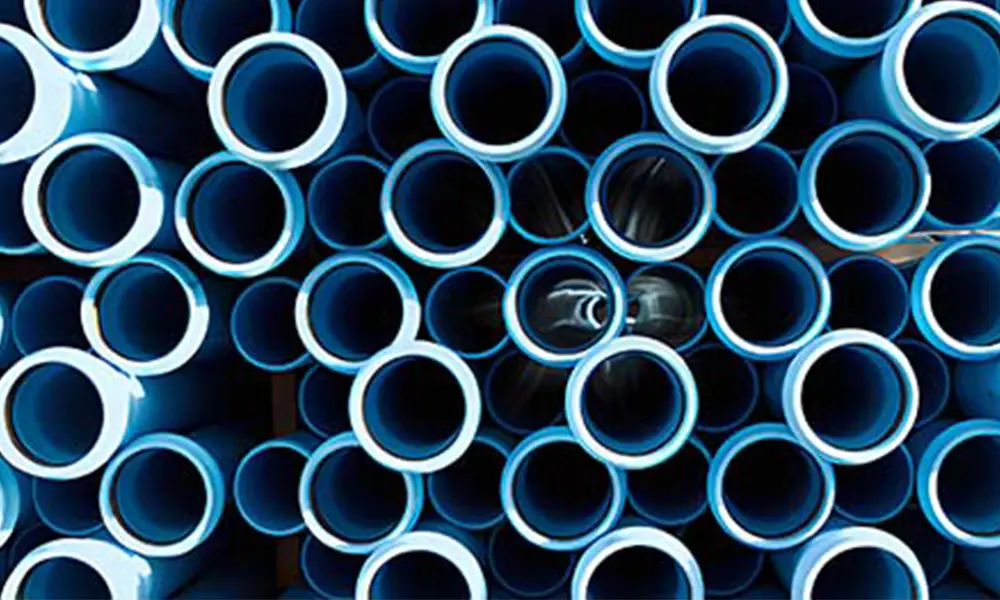
PVC is the go-to choice for most new installations in Sydney. It’s lightweight, affordable, and surprisingly tough.
Unlike older materials, PVC won’t corrode or rust when exposed to sewer chemicals.
In practice, PVC pipes handle Sydney's conditions well. They don’t crack under our freeze-thaw cycles and perform reliably in both residential and commercial properties.
We install them regularly in suburbs like Summer Hill and Alexandria, where modern builds dominate.
Advantages of PVC
The main selling point is cost. PVC is cheaper to buy and install than cast iron or copper.
The joints connect easily, speeding up installation. The material is lightweight, which reduces labor time.
PVC also resists chemical corrosion better than metal pipes. This is crucial in areas with aggressive soil conditions.
The smooth interior surface keeps wastewater flowing freely, reducing blockages over time.
Maintenance is minimal. PVC pipes don’t need regular inspections like metal pipes do. They’re not invincible, but they’re low-maintenance.
Limitations of PVC
PVC can’t handle extreme heat like copper can. Hot water running through a PVC sewer line can warp the pipe.
It’s not common, but it happens.
PVC is also less impact-resistant than cast iron. If you’re installing pipes in high-traffic areas, they need protection.
We’ve seen PVC crack under unexpected loads, especially in older properties where the ground has shifted.
In direct sunlight, PVC degrades. If you’re running sewer pipes externally, UV protection is essential.
Cast Iron: The Traditional Heavyweight
Cast iron has been around for over a century. You’ll still find it in older homes across Earlwood, Queens Park, and Marayong. It’s heavy, durable, and incredibly strong.
For properties built before the 1970s, cast iron was the default material for sewer and waste pipes.
Why Cast Iron Still Has Its Place
The biggest advantage of cast iron is its toughness. It can handle heavy loads and impacts that would crack PVC.
For properties with sewer lines under driveways or high-traffic areas, cast iron offers peace of mind.
Cast iron is also exceptionally quiet. Water flowing through metal pipes creates less noise than in plastic.
If you have sewer pipes near bedrooms or living spaces, this can make a noticeable difference.
Fire resistance is another benefit. Cast iron won’t melt or deform in a fire, making it suitable for commercial buildings with strict fire codes.
The Drawbacks of Cast Iron
The downside is corrosion. Cast iron rusts from the inside out, especially in Sydney's humid climate.
Properties near the coast often see faster deterioration due to salt and moisture.
Corrosion leads to rough surfaces, meaning more blockages over time. We’ve seen many older homes needing frequent clearing due to corroded interiors.
Cast iron is also heavy and expensive to install. Labor costs are higher because the pipes take longer to handle.
If you’re replacing an old cast iron system, the job is more involved than swapping in PVC.
Lifespan varies. In good conditions, cast iron can last 50 to 75 years. In poor conditions, problems may arise within 30 years.
If your property is older and experiencing blockages, corroded cast iron is often the culprit. Our Pipe & Drain Relining service can repair damaged cast iron pipes without digging up your yard.
Copper: The Premium Option
Copper sewer pipes are rare in Sydney, but they do exist. You’re more likely to see copper in older commercial properties or heritage buildings.
The Strengths of Copper
Copper doesn’t corrode like cast iron. It forms a protective patina that extends its lifespan.
In the right conditions, copper pipes can last 50 to 100 years.
Copper is also naturally antimicrobial. This is a bonus in commercial or medical settings where hygiene is critical.
Heat resistance is another advantage. Copper handles high temperatures without warping. If hot water enters a sewer line, copper won’t suffer damage like PVC.
Why Copper Isn't Common for Sewer Pipes
Cost is the main barrier. Copper is significantly more expensive than PVC or cast iron.
For most residential applications, the extra cost doesn’t justify the benefits.
Copper can also corrode in acidic or highly alkaline soil conditions. Sydney's soil varies widely, and if your property sits on reactive clay, copper isn’t the best choice.
There’s also the issue of theft. Exposed copper pipes are a target for scrap metal thieves, especially in commercial properties.
Comparing Long-Term Costs
When choosing sewer pipe materials, the upfront price is only part of the equation. Maintenance, repairs, and lifespan all affect total cost over time.
PVC wins on total cost for most Sydney properties. The initial savings and low maintenance make it the most economical choice over 50 years.
Cast iron costs more upfront and often requires repairs after 30 to 40 years. If you’re dealing with an aging cast iron system, long-term costs can add up quickly.
Copper is expensive from the start and offers minimal cost advantages unless you’re in a specific situation.
How Sydney's Climate Affects Your Choice
Sydney's climate is generally kind to plumbing materials, but there are considerations.
Coastal properties face higher humidity and salt exposure. Cast iron corrodes faster in these conditions.
PVC handles coastal environments well, and copper performs reliably if installed properly.
Inland suburbs have less salt exposure but can experience greater temperature swings. PVC copes fine with Sydney's mild winters, but exposed pipes need UV protection in summer.
Sydney's reactive clay soils can shift and put pressure on rigid pipes. PVC has some flexibility, which helps.
Cast iron and copper are more prone to stress fractures in unstable ground.
Environmental Considerations
PVC is derived from petroleum and involves chemical processes in manufacturing. It’s not biodegradable, but it’s highly recyclable.
The long lifespan and low maintenance reduce overall environmental impact.
Cast iron is made from recycled steel and iron. It’s recyclable at the end of its life, making it sustainable if replacing old pipes.
The downside is the energy-intensive manufacturing process and weight, which increases transport emissions.
Copper is fully recyclable and retains its value as scrap metal. The environmental cost comes from mining and refining, which are energy-intensive.
If you’re prioritizing sustainability, copper has a lower lifetime impact than PVC, but the upfront cost is higher.
Sydney's waste management policies don’t currently mandate specific materials for residential sewer pipes. Commercial and strata developments may have requirements.
We work with strata managers across Sydney to comply with local and environmental regulations.
Which Material Should You Choose?
For most Sydney homeowners, PVC is the smart choice. It’s affordable, reliable, and performs well in our climate.
Unless you have specific needs for cast iron or copper, PVC will serve you well.
If you’re renovating an older home with existing cast iron pipes, you might choose to stick with cast iron for consistency. But if you’re replacing sections, switching to PVC often makes more sense.
We’ve done plenty of mixed-system installations in heritage properties across Roseville and Queens Park.
Copper is worth considering only if you have a specific requirement for heat resistance or longevity in harsh soil conditions. For standard residential sewer applications, it’s overkill.
If you’re unsure which material suits your property, we can assess your situation during a site visit. Soil type, existing infrastructure, and local conditions all play a role.
Choosing the right sewer pipe material isn’t just about picking the cheapest option. It’s about matching the material to your property, budget, and local conditions.
If you’re planning a new installation or replacing old pipes in Sydney, get in touch with us and we’ll help you make the right call.
Frequently Asked Questions
How long do PVC sewer pipes last in Sydney?
PVC sewer pipes typically last 50 to 70 years in Sydney's climate. They resist corrosion and chemical damage, making them reliable.
Proper installation and UV protection extend their lifespan even further.
Can I replace cast iron sewer pipes with PVC?
Yes, you can replace cast iron pipes with PVC. It’s a common upgrade in older Sydney homes.
PVC is lighter, cheaper, and easier to install. We often replace corroded cast iron systems with PVC during renovations.
Do cast iron sewer pipes corrode faster near the coast?
Yes, cast iron corrodes faster in coastal areas due to humidity and salt exposure. Properties in Manly and Curl Curl often see accelerated deterioration.
Regular inspections help catch corrosion early before leaks or blockages occur.
Is copper worth the extra cost for residential sewer pipes?
For most residential properties, no. Copper costs significantly more than PVC and offers minimal advantages for standard sewer applications.
It’s mainly used in commercial settings or heritage properties where specific durability is required.
What sewer pipe material is best for reactive clay soil?
PVC is generally the best choice for reactive clay soils common in parts of Sydney. It has some flexibility, helping it handle ground movement without cracking.
Cast iron and copper are more rigid and prone to stress fractures in unstable soil conditions.