


Getting gas appliances installed in your Sydney home isn't as simple as plugging in a kettle. NSW has strict regulations around who can install, repair, and certify gas work. A dodgy installation can lead to gas leaks, carbon monoxide poisoning, or worse.
Whether you're upgrading to a new hot water system, installing a gas cooktop, or adding a space heater, understanding the legal requirements matters. Knowing what makes a proper installation will save you headaches later.
Only Licensed Gas Fitters Can Touch Gas Appliances
In NSW, all gas work must be carried out by a licensed gas fitter. No exceptions.
This applies to any work involving natural gas or LPG. Whether it's installing a new appliance, repairing an existing one, or connecting gas lines, you need a licensed professional. A standard plumber can't do gas work unless they hold the specific gas fitting licence on top of their plumbing qualifications.
The licence requirement exists because gas work carries real risks. An improper connection can cause leaks. A faulty installation can create carbon monoxide. Licensed gas fitters undergo specific training to work safely with gas systems.
When you hire someone for gas work, ask to see their licence. Every licensed gas fitter in NSW has a certificate issued by Fair Trading NSW. If they can't show you one, walk away. That work is illegal and won't be covered by insurance if something goes wrong.
At Sewer Surgeon, our Gas Fitting team holds all the required licences and works across Strathfield South and throughout Sydney. We know that cutting corners on gas work is never worth it.
What Gas Appliances Need Professional Installation
If it connects to a gas line, it needs a licensed gas fitter. That covers more than most people realise.
Common residential gas appliances include:
- Hot water systems (instantaneous and storage)
- Cooktops and ovens
- Space heaters and ducted heating
- Gas fireplaces and log fires
- Outdoor barbecues with fixed gas lines
- Pool and spa heaters
- Clothes dryers
Even moving an existing appliance to a different location counts as gas work that requires a licensed professional. You might think shifting a cooktop 50cm to the left is simple, but if it involves disconnecting and reconnecting gas, it's regulated work.
The only exception is portable appliances like camping stoves or standard barbecues with screw-on bottles. Those don't need professional installation because they don't connect to fixed gas lines.
The Certification Process for Gas Appliance Installation
Every gas appliance installation in NSW requires a Certificate of Compliance. This legal document confirms the work meets Australian Standards and safety requirements.
The licensed gas fitter completes the installation, then tests the system for leaks and proper operation. They check gas pressures, test all connections, and ensure the appliance is vented correctly. Once satisfied the installation is safe and compliant, they issue the Certificate of Compliance.
This certificate gets lodged with Fair Trading NSW within seven days. One copy goes to the customer, one stays with the gas fitter, and one gets submitted to the regulator. The certificate includes details about the installation, the appliance, the gas fitter's licence number, and confirmation that the work complies with AS/NZS 5601 (the Australian Standard for gas installations).
Keep that certificate. You'll need it if you sell the property, make an insurance claim, or get a building inspection. It's proof that the work was done legally and safely.
Some installations also require council approval before work starts, particularly for new gas lines or major upgrades. Your gas fitter should know when this applies and handle the paperwork.
Common Gas Appliances We Install Across Sydney
The two most common gas installations we handle are hot water systems and cooktops. Hot water accounts for about a quarter of most household energy bills, and gas systems are generally cheaper to run than electric. Instantaneous systems are popular because they only heat water when you need it. Storage systems work better for larger households.
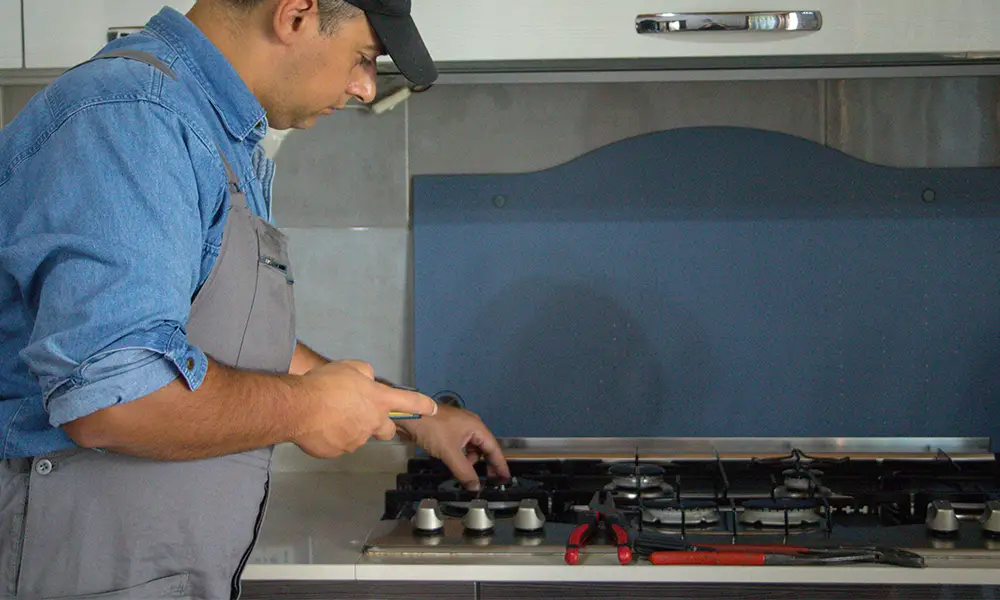
Gas cooktops remain the preference for anyone who cooks regularly. They heat faster than electric and give you better temperature control. They also work during power outages. Installation involves connecting the gas line, securing the appliance, testing for leaks, and certifying the work.
Space heaters and ducted heating systems are the other big category. Gas heating is effective in Sydney's cooler months, and modern systems are efficient and safe when installed properly. These installations often involve more complex venting requirements to safely exhaust combustion gases.
Safety Standards and Testing Requirements
Australian Standard AS/NZS 5601 governs all gas installations in the country. It covers everything from pipe sizing and materials to ventilation requirements and appliance positioning.
After any gas installation or repair, the gas fitter must perform leak testing. This involves pressurising the system and checking every connection with leak detection fluid or electronic equipment. No gas is allowed to be turned on until the system passes this test.
For appliances that produce combustion gases, like heaters and hot water systems, proper ventilation is critical. Indoor appliances need flues or vents that safely remove carbon monoxide and other gases outside. The positioning, size, and installation of these vents are all specified in the standards.
Gas fitters also check that appliances are receiving the correct gas pressure. Too much or too little pressure can cause poor performance, safety issues, or damage to the appliance. The pressure is measured and adjusted if needed during installation.
All these tests and checks are part of what you're paying for when you hire a licensed professional. They're not optional extras. They're legal requirements that keep your home safe.
What Happens If You Skip Professional Installation
Using an unlicensed person for gas work is illegal. Beyond the legal side, it's genuinely dangerous.
Poorly installed gas appliances can leak. Natural gas and LPG are both highly flammable. A small leak in an enclosed space can lead to explosion if someone lights a match. Even a minor leak wastes money and releases greenhouse gases.
Incomplete combustion from badly installed heaters or hot water systems produces carbon monoxide. You can't smell it or see it. It builds up silently and can be fatal. Proper venting prevents this, but only if the installation is done right.
From a practical standpoint, unlicensed work voids your insurance. If faulty gas work causes a fire or explosion and there's no Certificate of Compliance, your insurer will likely refuse the claim. That could mean losing your home with no payout.
You also can't sell a property without proper gas certification. During conveyancing, buyers will request compliance certificates for all gas appliances. If you can't produce them, you'll need to pay for a licensed gas fitter to inspect everything. They'll either certify it or redo the work properly.
We've been called out to fix plenty of dodgy installations over the years, from improper connections to completely wrong appliances for the gas type. It always costs more to fix than it would have to do properly in the first place.
Maintenance and Ongoing Compliance
Gas appliances need regular servicing to stay safe and efficient. Manufacturers recommend annual checks for most appliances, particularly hot water systems and heating.
During a service, the gas fitter cleans components, checks for wear and corrosion, tests for leaks, and confirms the appliance is operating within safe parameters. For hot water systems, this includes checking the temperature and pressure relief valve, which is a critical safety device.
If you're a landlord in NSW, you have specific obligations. Residential tenancy laws require that all gas appliances and fittings are maintained in good working order. Landlords must have gas heaters serviced at least every two years by a licensed gas fitter. Failure to do this can result in fines and liability if something goes wrong.
For strata properties, gas compliance often sits with the owners corporation. Common gas systems need regular inspection and maintenance, with proper records kept. Our strata plumbing services cover this across Sydney, ensuring buildings meet their safety obligations.
Choosing the Right Gas Fitter in Sydney
Look for experience, proper licensing, and transparent pricing. Ask about their qualifications and how long they've been doing gas fitting work. Check online reviews if you're not working with someone you've used before.
Good gas fitters will give you a clear quote before starting work and explain what needs to be done. They'll provide the Certificate of Compliance without you having to chase them for it. They'll also make sure any required council approvals are in place before they start.
Availability matters too. We offer 24/7 emergency services across Sydney because gas issues don't wait for business hours. A suspected gas leak at 2am needs immediate attention from someone who knows what they're doing.
Price is obviously a factor, but the cheapest quote isn't always the best value. Gas work is one area where you genuinely get what you pay for. Proper installation with quality materials and thorough testing costs more than a rush job, but it's worth every dollar in safety and longevity.
We've been working across areas like Earlwood, Summer Hill, Alexandria, Manly, and Greenacre for years. We know the local gas infrastructure and understand NSW regulations inside out. We stand behind our work.
What to Expect During a Gas Appliance Installation
Most residential gas appliance installations take a few hours. The exact timing depends on the appliance type and whether new gas lines need to be run.
The gas fitter will start by assessing the location and confirming the existing gas supply is adequate for the new appliance. They'll check the gas type (natural gas or LPG) matches the appliance specifications. Some appliances can run on either with the right conversion kit, but this needs to be done properly.
If new pipework is needed, that gets installed and secured according to standards. The gas fitter will use the correct pipe materials and fittings for the pressure and gas type. All connections are made with appropriate sealants or fittings designed for gas use.
Once the appliance is physically installed and connected, the system gets pressure tested for leaks. After passing that test, the gas is turned on and the appliance is commissioned. The fitter will test it under operating conditions, check all functions, and make any needed adjustments.
For appliances with flues or vents, the fitter will confirm proper draft and that combustion gases are venting correctly. They'll also show you how to operate the appliance safely and answer any questions.
Finally, they complete the Certificate of Compliance paperwork and lodge it with Fair Trading. You get your copy on the spot or shortly after.
If you need gas appliance installation in Sydney and want it done safely and legally, get in touch with us for a quote. We handle everything from hot water systems to cooktops across the Sydney metro area. Every job comes with proper certification and no hidden fees.
Frequently Asked Questions
Can I install my own gas appliances if I'm handy with DIY?
No. All gas work in NSW must be carried out by a licensed gas fitter, regardless of your skill level. It's illegal to do your own gas installations, and insurance won't cover any damage that results from unlicensed work.
How long does a Certificate of Compliance remain valid?
The certificate doesn't expire, but it only covers the work completed at that time. If you modify, move, or replace the appliance later, you'll need new certification for that work.
Do gas barbecues connected to house gas lines need certification?
Yes. If your barbecue connects to a fixed gas line rather than a portable bottle, the installation requires a licensed gas fitter and Certificate of Compliance.
What should I do if I smell gas after a new installation?
Turn off the gas at the meter and don't use any electrical switches or flames. Evacuate the property and call a licensed gas fitter immediately. For emergencies, you can reach us 24/7 anywhere across Sydney.
How much does gas appliance installation typically cost in Sydney?
Costs vary based on the appliance type, location, and whether new gas lines are needed. Hot water system installations typically range from $500 to $2000 including the appliance. Get a detailed quote before work begins so you know exactly what you're paying for.