


Ensuring the safety of your home is paramount, and one key aspect often overlooked is the gas line. With potential hazards ranging from leaks to fires, a thorough inspection is crucial for peace of mind. In this blog, we'll walk you through the gas line inspection process in Sydney and explain how we keep your home secure. Understanding these audits not only safeguards your property but also keeps your family safe. Let’s dive in.
Why Gas Line Inspections are Essential
Gas lines are integral to many homes, powering everything from your stove to your furnace. However, when these lines are compromised, they can pose serious risks. A comprehensive gas line inspection identifies any dangers early on, preventing disasters. Moreover, regular checks are often required by law and can impact your insurance coverage. By conducting frequent inspections, you protect your home and your loved ones from unforeseen accidents.
The Importance of Compliance
In Sydney, local regulations mandate that gas lines must be inspected regularly to ensure compliance with safety standards. Failing to adhere to these regulations can lead to serious legal repercussions, including fines and increased insurance premiums. Additionally, if an incident occurs and it is found that you neglected your gas line inspections, your insurance may not cover the damages. This makes it vital not only for safety but also for financial protection.
Peace of Mind for Homeowners
Knowing that your gas lines have been inspected and deemed safe can provide immense peace of mind. Homeowners can rest easy knowing that they have taken proactive steps to protect their families and properties. Regular inspections serve as a reassurance that your home is a safe environment, free from the dangers associated with gas leaks or malfunctions.
What to Expect During a Gas Line Inspection
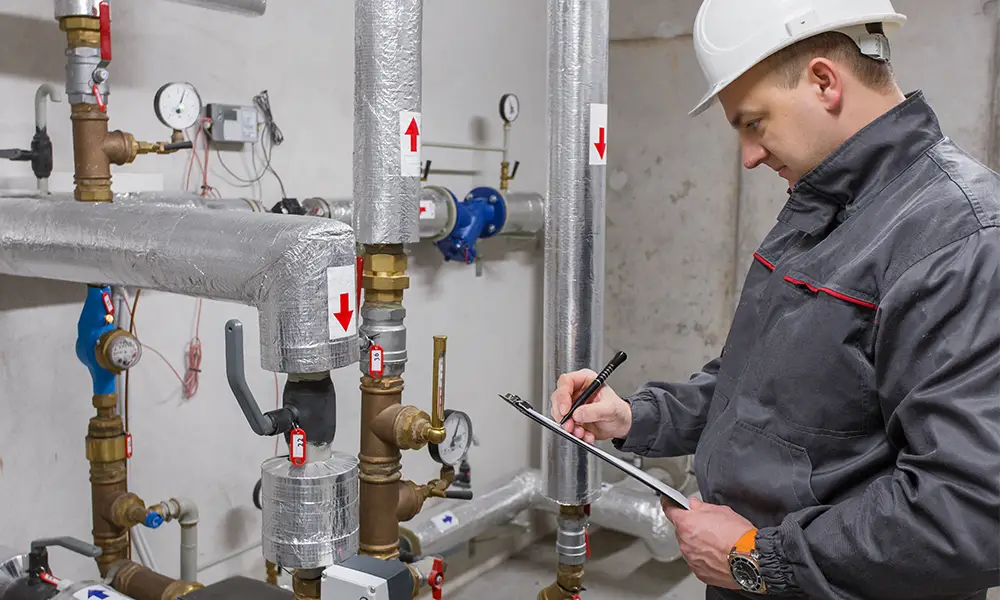
When you book a gas line inspection in Sydney, our team conducts a detailed check to ensure everything is in top condition. But what does this involve? Here’s a breakdown:
- Visual Inspection: We start by visually examining your gas lines and connections for any obvious signs of wear or damage. This includes checking for corrosion, rust, or any physical deformities in the pipes.
- Leak Detection: Sophisticated tools are used to detect any leaks, even those too small to notice by smell. We utilize gas detectors that can identify even the slightest presence of gas, ensuring that no potential leak goes unnoticed.
- Pressure Testing: To ensure your gas lines can handle normal pressure levels, we conduct a series of pressure tests. This helps us determine the integrity of the lines and whether they can safely contain gas under typical operating conditions.
- Line Tracing: This involves mapping your gas lines to ensure they're properly installed and won’t interfere with other utilities. Understanding the layout of your gas lines is crucial for future maintenance and emergency situations.
- Valve Checks: We inspect valves and connections to make sure they’re intact and functional. Properly functioning valves are essential for controlling gas flow and ensuring safety.
The Role of Technology in Inspections
Advancements in technology have significantly improved the efficiency and accuracy of gas line inspections. For instance, we employ infrared cameras to detect heat anomalies that may indicate a leak. Additionally, digital pressure gauges provide precise readings, allowing us to identify issues that may not be visible to the naked eye. By integrating technology into our inspection process, we enhance our ability to safeguard your home.
Common Signs That Your Gas Line Needs Attention
Maintaining your gas lines includes being vigilant about signs of potential issues. Here are a few indicators that you might need an inspection sooner than planned:
- Unusual Odors: A distinct smell of gas inside or outside your home is one of the most common signs of a leak. If you notice this odor, evacuate the area immediately and contact a professional.
- Hissing Sounds: A constant hissing near your gas lines or appliances can indicate a leak. This sound is often a telltale sign that should not be ignored.
- Dead Vegetation: Plants dying around the gas line area without a clear reason may suggest a gas leak. Gas can affect the soil and plant life, leading to unexpected die-offs.
- Increased Gas Bills: A sudden spike in your gas bill without a corresponding increase in usage may indicate a leak or malfunctioning appliance. Monitoring your bills can help you catch issues early.
- Appliance Malfunction: Gas appliances not working efficiently can signal a problem with the gas supply. If your stove or heater is underperforming, it’s time to investigate.
If you notice any of these signs, contact us immediately for a thorough gas line inspection.
The Dangers of Neglecting Gas Line Inspections
Ignoring the need for regular inspections can have dire consequences. Gas leaks are not only dangerous but also costly. Here’s what might happen if you put off an inspection:
- Fire Hazard: Gas leaks can easily ignite, causing fires or even explosions. The risk increases significantly if there are open flames or sparks nearby.
- Health Risks: Continuous exposure to gas leaks can lead to health issues like headaches, nausea, dizziness, and respiratory problems. In severe cases, prolonged exposure can be life-threatening.
- Legal and Financial Repercussions: Failing to comply with local regulations can lead to fines, increased insurance premiums, or coverage issues. Additionally, the costs associated with repairing damage from a gas-related incident can be astronomical.
By scheduling regular inspections, you avoid these pitfalls and ensure your home remains a safe haven.
How We Make Your Gas Line Safer
Our approach to securing your home’s gas lines is both thorough and efficient. Here’s what sets us apart:
- Experience and Expertise: Our team is highly trained and experienced in dealing with all types of gas lines. We stay updated on the latest safety protocols and industry standards.
- Advanced Tools and Techniques: We use the latest technology to ensure accurate and comprehensive inspections. Our tools are calibrated for precision, allowing us to detect issues that others might miss.
- Transparent Communication: We'll keep you informed every step of the way, ensuring you understand the process and the results. We believe in empowering our clients with knowledge about their gas systems.
- Safety Recommendations: After the inspection, we provide actionable recommendations to maintain and improve the safety of your gas lines. These may include suggestions for repairs, upgrades, or best practices for usage.
- Friendly Service: We conduct our inspections with minimal disruption to your daily routine, ensuring a friendly, professional experience. Our team is committed to providing top-notch customer service.
Ongoing Support and Maintenance
Beyond inspections, we offer ongoing support and maintenance services to ensure your gas lines remain in optimal condition. Regular maintenance can help identify potential issues before they become serious problems, saving you time and money in the long run.
Ways to Maintain Your Gas Lines Between Inspections
While regular inspections are vital, there are also several ways you can maintain your gas lines between audits:
- Educate Yourself: Learn the basics about where your gas lines run and how to turn them off in an emergency. Familiarizing yourself with your gas system can be invaluable in crisis situations.
- Regular Checks: Perform visual checks for any obvious issues like corroded connections or loose fittings. Early detection can prevent larger problems down the line.
- Keep Clear: Ensure the area around your gas lines is free of clutter and debris. This not only helps with inspections but also reduces the risk of accidents.
- Mindful Usage: Be conscious of how you use your gas appliances and avoid overloading them. Proper usage can extend the life of your appliances and reduce the risk of malfunctions.
Creating an Emergency Plan
In addition to regular maintenance, it’s wise to create an emergency plan for your household. Make sure all family members know how to recognize the signs of a gas leak and what to do in case of an emergency. This includes knowing how to turn off the gas supply and whom to contact for help.
Conclusion: Secure Your Home with Confidence
Gas line safety is not something to take lightly. Regular inspections are essential for identifying potential dangers and ensuring your home remains a safe place for you and your family. If you suspect any issues or it's been a while since your last inspection, don’t wait until it’s too late. Reach out to us today for more information on how we can assist you in keeping your home and family safe from gas line hazards. Remember, a proactive approach to gas line safety not only protects your property but also enhances your overall peace of mind.