


Your hot water system works quietly in the corner of your laundry or outside, heating water daily. Most people only notice it when it fails, like during a cold shower or a leak.
Regular inspections may not seem urgent when everything is fine. However, they are one of the smartest things you can do as a homeowner.
A proper inspection catches small issues before they turn into costly emergencies. It can extend your unit's life by years and save you from unexpected breakdowns.
Here’s what you need to know about hot water system inspections in Sydney, why they matter, and what to look for.
Why Hot Water Systems Need Regular Inspections
Hot water systems work hard, heating hundreds of litres daily. Over time, this constant cycle causes wear and tear.
Sediment builds up in the tank. Sacrificial anodes corrode. Seals and valves wear out. Pressure relief valves may fail.
These issues develop slowly, often unnoticed. By the time you see a problem, significant damage may have occurred.
Sydney's water quality adds to this. While our water is generally good, it contains minerals that accumulate in tanks. Hard water areas face faster sediment build-up.
Coastal suburbs like Manly and Curl Curl deal with salt air, which can corrode components. Even in Earlwood or Summer Hill, mineral deposits reduce efficiency over time.
An inspection can spot these problems early. A technician can flush sediment before it hardens. They can replace an anode rod before rust starts. They can test the pressure relief valve before it fails.
The difference between a minor repair and a full replacement often comes down to timely inspections.
How Long Should a Hot Water System Actually Last?
Most hot water systems last 8-12 years for electric and gas units. Solar systems can last 15-20 years. But that's just an average.
Well-maintained units in Roseville and Queens Park can still run strong at 15 years. Neglected systems may fail at 5 years.
Maintenance is key. Systems with annual inspections and upkeep often outlive their expected lifespan. Ignored systems tend to fail early and expensively.
What Happens During a Hot Water System Inspection
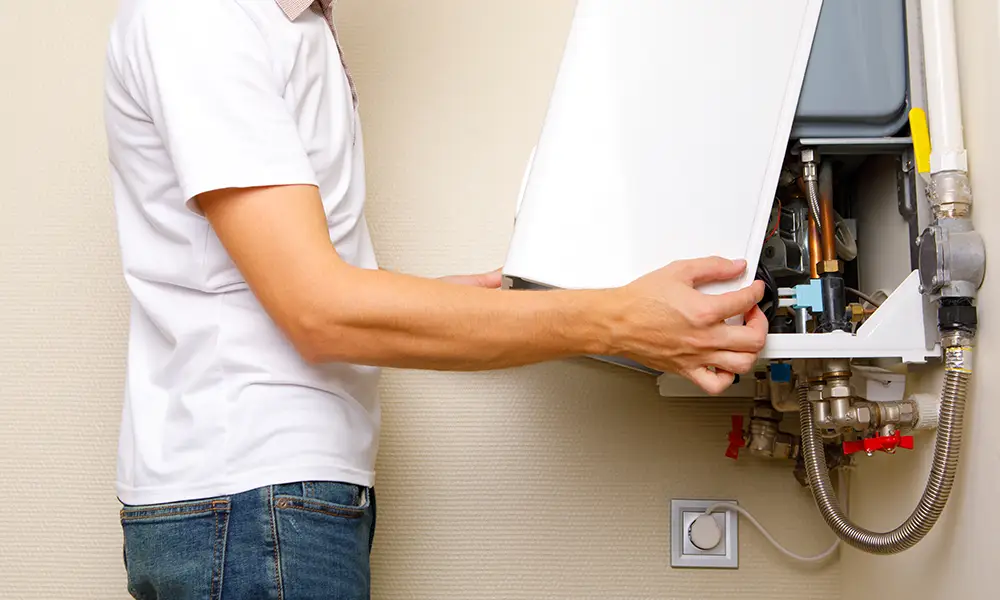
A proper inspection is more than a quick look. It’s a thorough check of everything that keeps your system running safely.
We start by checking for visible leaks, corrosion, or damage to the tank and pipes. Then we inspect the components that control the system.
Pressure relief valve testing: This safety feature releases pressure if it builds up too much. If it's stuck, it can be dangerous. We test it at every inspection.
Anode rod inspection: This part protects your tank by corroding instead of it. Once worn down, your tank can rust. Replacing an anode rod costs around $200-300, while replacing a rusted tank costs thousands.
Temperature and pressure settings: We ensure your system heats to the right temperature and operates at the correct pressure. Too high wastes energy; too low can lead to bacteria growth.
Sediment build-up assessment: Minerals settle at the bottom of your tank over time. This makes your system work harder. We assess whether it needs flushing.
Electrical or gas connections: We check all electrical connections for safety or gas lines for leaks.
Thermostat function: We ensure your thermostat reads accurately and responds properly.
The whole process usually takes 45 minutes to an hour. You’ll get a clear picture of your system's condition and any recommended actions.
How Often Should You Schedule Inspections?
Annual inspections work for most homes. Once a year is enough to catch developing issues without being excessive.
Some situations call for more frequent checks:
- Systems over 8 years old: Twice yearly inspections help catch age-related wear.
- Hard water areas: More mineral build-up means more frequent attention.
- High usage households: Large families put constant demand on the system.
- Strata and commercial properties: These often have larger systems that benefit from quarterly inspections.
If you’ve just moved into a home in Greenacre, Alexandria, or anywhere in Sydney, get an inspection right away. You need to know what you’re working with.
Common Problems Found During Inspections
We often find the same issues during inspections. These can cause breakdowns if left unchecked.
Corroded anode rods: This is the most common issue. The rod protects the tank but needs replacing. Caught early, it’s a cheap fix; left alone, it means tank replacement.
Sediment build-up: Common in areas with hard water. The sediment layer forces your system to work harder and use more energy. Flushing fixes it.
Faulty pressure relief valves: These should operate smoothly but often get stuck. A failed PRV is a safety risk.
Minor leaks: Small drips around fittings or valves may not seem urgent but will worsen. Better to address them now than at 2 am on a Sunday.
Thermostat drift: The thermostat may think it’s heating to 60°C but is actually running at 50°C or 70°C. This affects comfort and costs.
Corrosion on external components: Especially in coastal areas like Curl Curl, salt air can corrode metal over time.
None of these issues are dramatic, which is why inspections matter. You catch boring problems before they become expensive dramas.
The Cost of Inspections vs The Cost of Neglect
A standard hot water system inspection in Sydney typically costs between $120 and $200. Annual maintenance might add another $100-200 depending on what’s needed.
Compare that to emergency repairs or replacement. A hot water heater repair for a failed component can run $300-800. Full system replacement starts at $1,500 for basic electric units and goes up to $5,000-7,000 for quality solar or heat pump systems.
More importantly, consider the disruption. An emergency breakdown means no hot water until it’s fixed. If it happens on a weekend or after hours, you’ll face higher callout fees. If it causes water damage, you’ll have cleanup and repairs on top of plumbing costs.
An inspection is inconvenient for an hour. A breakdown is inconvenient for days and expensive for weeks.
Is It Worth Fixing an Old Hot Water System?
This is a common question. If you have a 10 or 12-year-old system needing repair, should you fix or replace it?
The honest answer: it depends on the situation.
Consider replacing if:
- The tank shows signs of corrosion or rust.
- You face a second or third major repair in 12 months.
- The system is over 12 years old and repairs cost more than 50% of replacement.
- Your energy bills are climbing due to inefficiency.
- You want to upgrade to more efficient technology like solar or heat pump.
Consider repairing if:
- The tank is in good condition.
- It’s a single component failure like a thermostat or element.
- The system is under 8 years old.
- The repair cost is under $500.
- Your recent inspection showed everything else in good shape.
We’ll give you honest advice. Sometimes a repair buys you another 3-5 years. Other times, you’re throwing money at a system that’s reached the end of its life.
What Makes a Reliable Hot Water System
People often ask which brands last longest. Most major brands make decent systems. Rheem, Rinnai, Dux, Bosch, and Aquamax all have good and bad models.
Reliability comes down to three things:
Correct installation: A properly installed system will always outlast a poorly installed one, regardless of brand. This means correct sizing, proper ventilation, appropriate pressure settings, and quality pipework.
Regular maintenance: Any brand will fail if you ignore it. Any brand will last if you look after it.
Quality of components: Spending a bit more upfront often pays off. Better tanks, anodes, and thermostats cost more initially but are cheaper over the system's life.
When replacing a system, focus on getting the right size, proper installation, and committing to annual maintenance.
What Sydney Homeowners Often Overlook
Most people think about their hot water system when it breaks. However, a few things are worth paying attention to between inspections.
Water temperature at your taps. If it’s getting cooler over time, something’s changing. It could be sediment build-up or a failing element.
Strange noises from the tank, like banging or hissing, usually indicate sediment or pressure issues.
Rusty or discoloured hot water often signals that your anode rod is spent and your tank is starting to corrode.
Rising energy bills without explanation can indicate inefficiency. Hot water typically accounts for 20-30% of household energy use.
Any signs of moisture or water around the base should be investigated. Even a small leak is worth checking.
You don’t need to be an expert. Just notice when things change and get someone to look at it.
How We Approach Inspections in Strathfield South and Across Sydney
We’ve been doing hot water system inspections across Sydney for years. From Marayong to Botany, we see every type of system in various conditions.
Our approach is straightforward. We inspect thoroughly, explain clearly, and recommend what actually needs doing. If your system doesn’t need anything, we’ll tell you. If it needs a $150 part to avoid a $2,000 problem later, we’ll let you know.
We run our inspections the same way for homeowners in Summer Hill, strata managers in Roseville, or commercial property owners in Alexandria. Every system gets checked properly.
And because we’re available 24/7 for emergencies, if an inspection reveals something that needs immediate attention, we can sort it then and there.
Making Inspections Part of Your Property Maintenance
Hot water system inspections should be part of your regular property checks. Think of smoke alarms, air conditioning servicing, gutter cleaning, and hot water inspections as essential.
The easiest way is to schedule them at the same time each year. Pick a month, put it in your calendar, and book it. Many people tie it to their birthday or the start of summer or winter.
If you manage strata properties, include hot water inspections in your annual maintenance schedule. For landlords, schedule it between tenancies or as part of your annual property inspection.
For commercial properties with large systems, quarterly checks make more sense. The cost of downtime in a commercial setting is usually much higher than residential, so more frequent monitoring pays off.
The main thing is to make it routine. When it’s something you do every year, you won’t forget about it until there’s a problem.
Regular inspections may not be exciting, but they are sensible. They extend your system's life, prevent costly breakdowns, and ensure your home’s essential systems work safely. If you can’t remember the last time someone inspected your hot water system, now’s a good time to get in touch with us and book one.
Frequently Asked Questions
How much does a hot water system inspection cost in Sydney?
Most inspections cost between $120 and $200 for a standard residential system. Larger systems or commercial properties might cost more.
How many years does a hot water system normally last?
Electric and gas systems typically last 8-12 years. Solar systems can run 15-20 years. Regular maintenance often extends these timeframes significantly.
Is it worth repairing a 10-year-old hot water system?
It depends on the tank's condition and what needs repairing. If the tank is sound and it’s just a component, repair makes sense. If the tank is corroding or you face repeated major repairs, replacement is usually smarter.
What's the most reliable hot water system brand?
Most major brands make reliable systems. Reliability depends more on correct installation and regular maintenance than brand name.
How often should strata buildings inspect hot water systems?
We recommend quarterly inspections for strata common property systems. These systems work harder than residential ones, so more frequent checks make sense.