


Have you ever considered what stops contaminated water from flowing back into your drinking supply? Many Sydney property owners are unaware of the risks until compliance notices or water quality issues arise.
Backflow prevention in Sydney plays a critical role in protecting public health and meeting NSW regulations. Understanding how these systems work and why compliance matters can help you avoid fines, disruptions, and serious safety concerns.
What Is Backflow and Why Does It Matter?
Backflow occurs when water flows in the opposite direction to its intended path. This reversal can draw contaminated water from irrigation systems, industrial processes, or sewage lines back into the clean drinking supply.
Backflow prevention Sydney regulations exist because even a single incident can contaminate an entire water network. Chemicals, bacteria, and waste entering potable water pose significant health risks to households and businesses alike.
How Backflow Prevention Systems Work
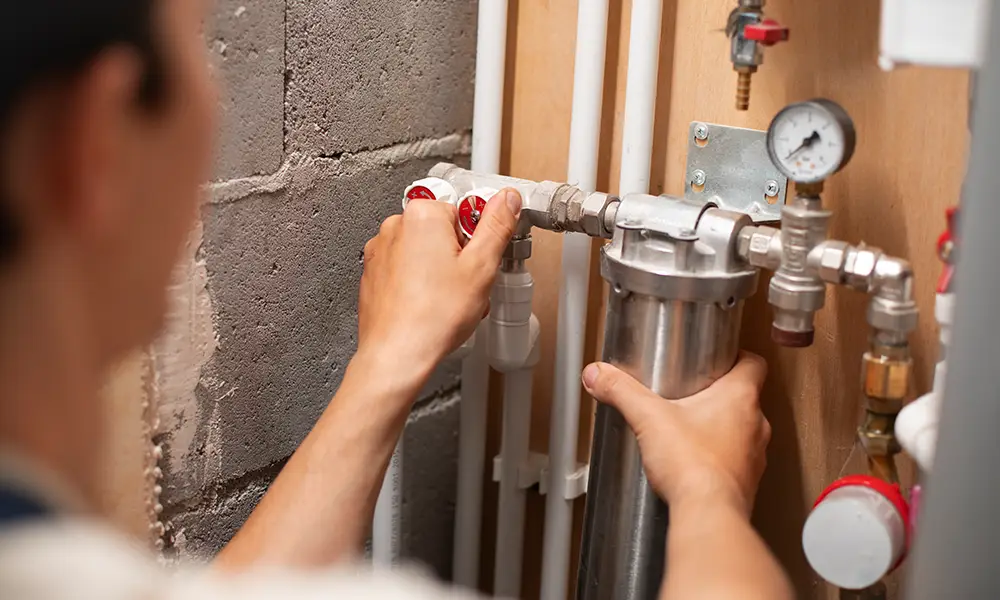
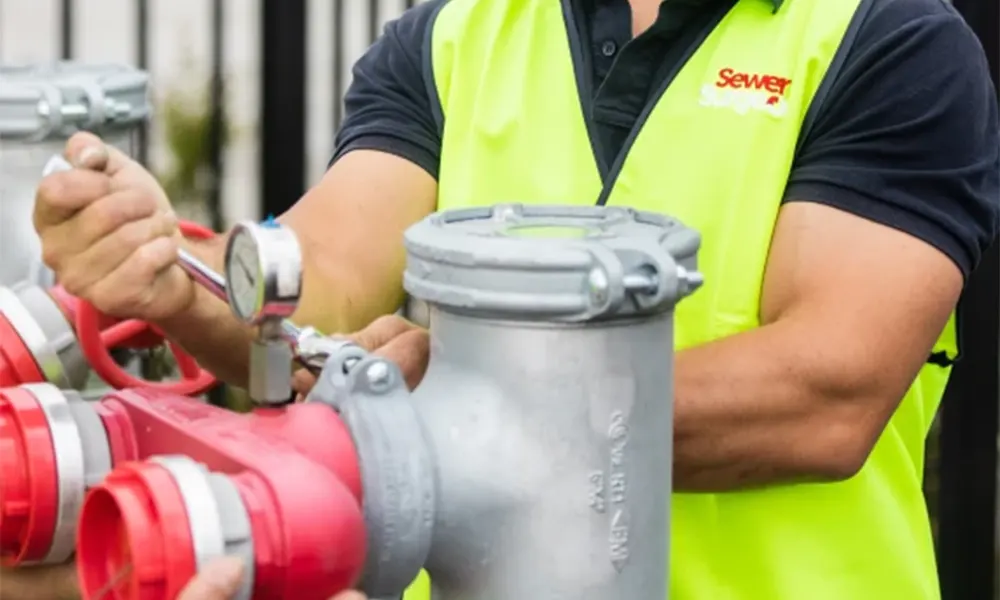
Backflow prevention systems are designed to stop reverse flow before contamination occurs. These systems use specialised valves and mechanical devices installed at critical points in the plumbing network.
When water pressure drops or reverses, the backflow device automatically closes, preventing contaminated water from entering the clean supply. Different properties require different devices depending on risk level and water usage.
A licensed plumber assesses your property and installs the appropriate backflow prevention device to meet regulatory requirements.
Types of Backflow Prevention Devices
There are several types of backflow prevention devices used across Sydney. The most common include double check valves, reduced pressure zone devices, and air gaps.
Double check valves are often used for low to medium-risk applications such as residential irrigation systems. Reduced pressure zone devices are required for higher risk environments, including commercial buildings, medical facilities, and industrial sites.
Selecting the correct system is essential for compliance and safety.
Who Needs Backflow Prevention in Sydney?
Not every property requires a backflow prevention device, but many do. Properties commonly required to install backflow prevention Sydney systems include commercial premises, strata buildings, childcare centres, medical facilities, and homes with irrigation systems or alternative water sources.
Sydney Water determines risk ratings based on property use. Once classified, owners are legally required to install, test, and maintain approved devices.
Ignoring these obligations can lead to water supply disconnection and penalties.
NSW Compliance Rules for Backflow Prevention
NSW regulations mandate that all backflow prevention devices must be installed by licensed plumbers and tested annually by accredited testers. Test results must be submitted to the relevant water authority within the required timeframes.
Compliance is not optional. Failure to maintain records or complete testing can result in fines or compliance notices. Property owners are responsible for ensuring ongoing testing, even if tenants occupy the premises.
Backflow prevention Sydney compliance protects not only individual properties but the broader community water supply.
Annual Testing and Maintenance Requirements
Backflow prevention devices must be tested at least once a year or more frequently for high risk sites. Testing ensures the device is functioning correctly and capable of preventing contamination.
During testing, plumbers inspect valves, seals, and pressure levels. Any faults must be repaired immediately to maintain compliance.
Keeping detailed records is essential. These documents may be requested by councils, insurers, or water authorities.
Common Signs of Backflow Prevention Issues
Most backflow devices operate silently, so problems often go unnoticed. However, warning signs can include unusual water pressure changes, discoloured water, or compliance notices from water authorities.
Routine testing is the only reliable way to detect issues early and avoid breaches.
Why Professional Installation and Testing Matters
Backflow prevention in Sydney is regulated and must meet strict standards. Improper installation or unlicensed testing can void compliance and increase liability risks.
Licensed professionals understand local regulations, property classifications, and reporting requirements. They ensure devices are installed correctly and maintainlong-termerm.
Sewer Surgeon provides compliant installation, testing, and reporting services across Sydney.
Costs Associated With Backflow Prevention
Costs vary depending on device type, risk rating, and property size. While installation and annual testing involve expense, these costs are minimal compared to potential fines, water shutdowns, or contamination incidents.
Preventative maintenance protects property value and ensures an uninterrupted water supply.
Why Sydney Property Owners Trust Sewer Surgeon
Sewer Surgeon delivers reliable backflow prevention Sydney services tailored to residential, commercial, and strata properties. With licensed technicians and thorough reporting, compliance is handled efficiently and professionally.
Clients benefit from clear communication, timely testing, and peace of mind knowing their water supply is protected.
Protecting Water and Staying Compliant
Backflow prevention is not just a regulatory requirement; it is a critical safeguard for public health.
Staying compliant protects your property, tenants, and the wider community. If you are unsure about your obligations or need testing completed, act now.
Contact Sewer Surgeon to arrange professional backflow prevention services and stay compliant with NSW regulations.
FAQs
What is the purpose of a backflow prevention device?
A backflow prevention device stops contaminated water from flowing back into the clean drinking supply.
How often does backflow testing need to be done in NSW?
Most devices require annual testing, thouhigh-risk properties may need more frequent checks.
Who is responsible for backflow compliance?
Property owners are legally responsible for installation, testing, and maintenance, even if the property is tenanted.
What happens if backflow prevention is not compliant?
Non-compliance can result in fines, water supply disconnection, and increased health risks.
Can any plumber test backflow prevention devices?
No, testing must be completed by a licensed and accredited backflow tester.