


.png)
.png)
.png)
.png)
.png)
.png)


May 6, 2026

Read Time
5
Emergency Hot Water Repairs in the Summer: Fast Fixes vs Full Replacement
As summer heats up in Sydney, the last thing you want is a hot water system failure. Emergencies rarely strike at a convenient time, and dealing with a sudden lack of hot water can be stressful. But before you panic and call for help, it's important to know your options. Should you go for a quick fix or opt for a full replacement? In this guide, we'll help you understand when a fast repair might be sufficient and when replacing your system is the better choice.
Understanding Your Hot Water System
First things first, let's get to know your hot water system. Systems range from traditional tank heaters to modern tankless models, each with its own set of pros and cons. Tank water heaters store gallons of hot water, providing a steady supply, while tankless systems heat water on demand, saving on energy costs.
Keeping an eye on your system's age and maintenance history can help you decide whether it's time for a quick fix or a full overhaul. Most hot water systems last between 10 to 15 years, so if yours is nearing that mark, a replacement might be on the horizon.
Types of Hot Water Systems
Understanding the different types of hot water systems can also guide your decision-making process. Here are some common types:
- Storage Tank Water Heaters: These are the most traditional systems, where water is heated and stored in a tank. They are available in electric and gas models and can provide a large volume of hot water. However, once the hot water is depleted, it takes time to reheat.
- Continuous Flow (Tankless) Water Heaters: These systems heat water directly without using a storage tank. They provide hot water on demand, which can be more energy-efficient and space-saving. However, they may struggle to supply multiple outlets simultaneously.
- Heat Pump Water Heaters: These systems use electricity to move heat from the air or ground to heat water, making them highly energy-efficient. They work best in moderate climates and may require more space.
- Solar Water Heaters: Utilizing solar panels, these systems harness energy from the sun to heat water. They can significantly reduce energy bills but depend on sunlight availability.
Understanding these options can help you make an informed decision when it comes time for a replacement.
When a Fast Fix Will Do
Quick fixes can solve many common problems if your system is relatively new and well-maintained. Here are a few scenarios where a repair might be all you need:
- Minor Leaks: A small leak in one of the pipes or fittings can often be fixed by tightening the connection or replacing a faulty part. Ignoring leaks can lead to more significant issues down the line, so addressing them promptly is crucial.
- Broken Thermostat: If you have inconsistent hot water temperatures, the thermostat might need recalibration or replacement. This is often a straightforward fix that can restore your system's functionality.
- Pilot Light Issues: For gas systems, a pilot light that goes out frequently can sometimes be addressed with a simple cleaning or adjustment. If the problem persists, it may indicate a more serious issue that requires professional attention.
Regular maintenance is essential to prolong the life of your hot water system. By catching these minor issues early, you can avoid more costly problems down the road. Scheduling annual inspections can help identify potential issues before they escalate.
Signs It's Time for a Full Replacement
Sometimes, a repair just won't cut it. If you encounter any of these red flags, it might be time to consider a new hot water system:
- Age of the System: As previously mentioned, systems more than 10-15 years old are often better replaced. Older systems are less efficient and more likely to fail. If your system is approaching the end of its lifespan, it may be more cost-effective to invest in a new unit.
- Frequent Repairs: If you find yourself calling for repairs more than once or twice a year, the cumulative cost may outweigh the benefit. Constantly fixing an aging system can be frustrating and financially draining.
- Increased Energy Bills: Older or faulty systems use more energy, leading to higher utility bills. A new model could save you money in the long term. Energy-efficient systems can significantly reduce your monthly expenses.
- Inconsistent Hot Water Supply: If you frequently experience fluctuations in water temperature or pressure, it may indicate that your system is struggling to meet your household's demands. This could be a sign that it's time for an upgrade.
A new hot water system not only improves reliability but can also enhance your home's energy efficiency, offering long-term savings and peace of mind.
Summer Challenges for Hot Water Systems
While winter may seem like the peak season for hot water demand, summer in Sydney introduces its own challenges. Increased usage due to outdoor activities, combined with high ambient temperatures, can put a strain on older systems.
Consider these summer-specific issues:
- Increased Hot Water Demand: More family members at home often lead to increased water usage for showers and laundry. If your household is larger during the summer months, your hot water system may be under more stress than usual.
- High Temperatures: Higher temperatures can affect the performance of some systems, especially if they're not adequately maintained. For instance, heat pump systems may struggle in extreme heat, leading to reduced efficiency.
- Water Quality Issues: In summer, the increased use of water can lead to sediment buildup in your hot water tank. This can cause inefficiencies and even damage your system over time. Regular flushing of the tank can help mitigate this issue.
Monitoring your hot water usage and the performance of your system can help prevent summer breakdowns. Knowing what to look for will ensure you’re ready to act before an inconvenience becomes a disaster.
Choosing the Right Hot Water System
If you do decide it's time for a replacement, understanding your options is crucial. Here's a brief overview of some popular choices:
- Electric Water Heaters: Reliable and easy to install, though not the most energy-efficient option. They are often less expensive upfront but can lead to higher electricity bills.
- Gas Water Heaters: Generally more cost-effective in the long term and faster at heating. They can be a great option if you have access to natural gas.
- Tankless Systems: They offer endless hot water and superior energy efficiency, although they usually come with a higher upfront cost. They are ideal for smaller households or those with specific hot water needs.
- Solar Water Heaters: Environmentally friendly and can significantly reduce energy bills, but performance can vary based on location and weather conditions. They often require a backup system for cloudy days.
When choosing which system is best for you, consider factors like the size of your family, budget, and how much hot water you typically use. Consulting with a professional can also provide insights tailored to your specific situation.
The Importance of Professional Assistance
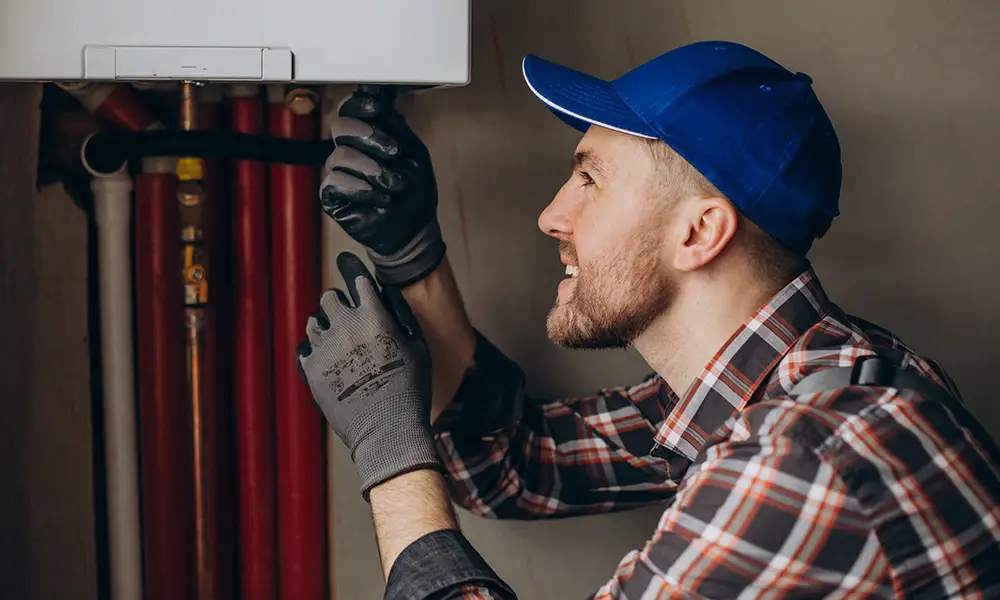
Whether opting for a fast fix or a full replacement, professional help is invaluable. A trained technician can accurately diagnose issues, recommend the right course of action, and effectively carry out repairs or installations.
Attempting DIY repairs on complex systems can lead to further damage or void your warranty. Trained professionals have the skills and tools to address problems efficiently, ensuring your system operates safely and correctly.
For hot water repair Sydney residents can rely on, consider reaching out to local experts who know the specifics of Sydney’s water supply and climate. They can provide tailored solutions that meet your needs.
Conclusion: Ready to Resolve Your Hot Water Issues?
Hot water issues don't have to put a damper on your summer. By understanding the difference between quick fixes and when a full replacement is necessary, you're better prepared to make the right decision for your home. If you're facing hot water challenges and need guidance, call on trusted professionals to ensure your system is in top shape.
Don't wait until a problem arises. Be proactive, stay informed, and consider reaching out for assistance early. For all your plumbing needs, contact Sewer Surgeon and let the experts handle your emergency hot water repairs.
By staying ahead of potential issues and understanding your options, you can enjoy a comfortable and hassle-free summer, knowing your hot water system is in good hands. Remember, investing in a reliable hot water system not only enhances your daily comfort but also contributes to the overall efficiency and value of your home.

Andy Quinn
Founder
Andy Quinn is the founder of Sewer Surgeon, a family-owned plumbing business serving Sydney with over 63 years of combined industry expertise. Andy and his team specialize in delivering reliable solutions for everything from blocked drains to emergency plumbing, ensuring quality service and customer satisfaction.


.png)


.png)


